How Machine Learning Makes Contractor Ratings Actually Useful
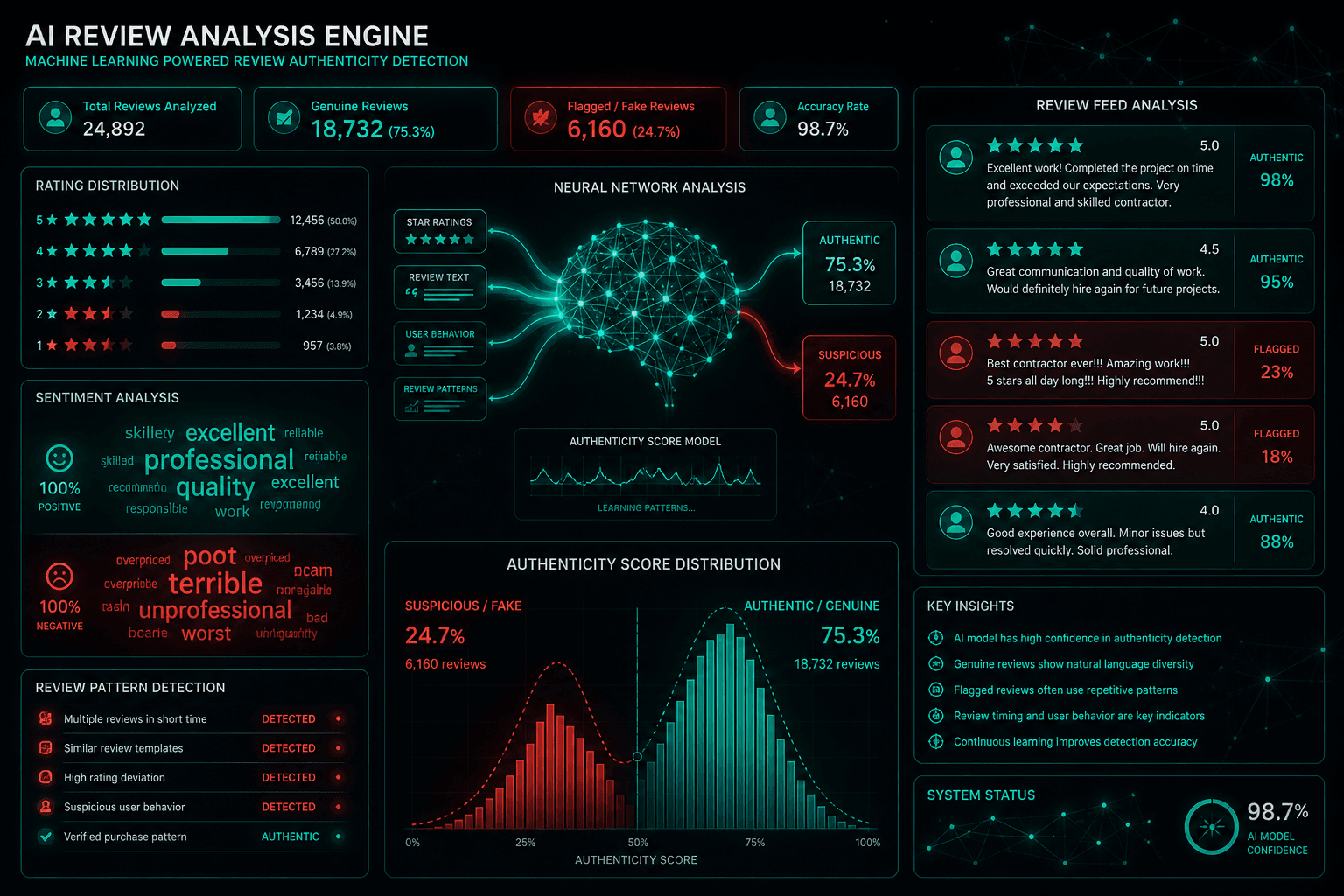
A contractor has 4.8 stars and 200 reviews. Great, right? Maybe. Or maybe those reviews were purchased, written by friends, or posted years ago before the business changed ownership. Star ratings alone don't tell you enough. Machine learning adds the context that makes ratings meaningful.
Why raw ratings mislead
The problems with traditional review systems are well-documented:
- Fake reviews from paid services inflate scores artificially
- Review bombing by competitors tanks legitimate businesses
- Old reviews don't reflect current quality
- Extreme ratings dominate while nuanced feedback gets ignored
- Review count is easily manipulated
How ML transforms ratings
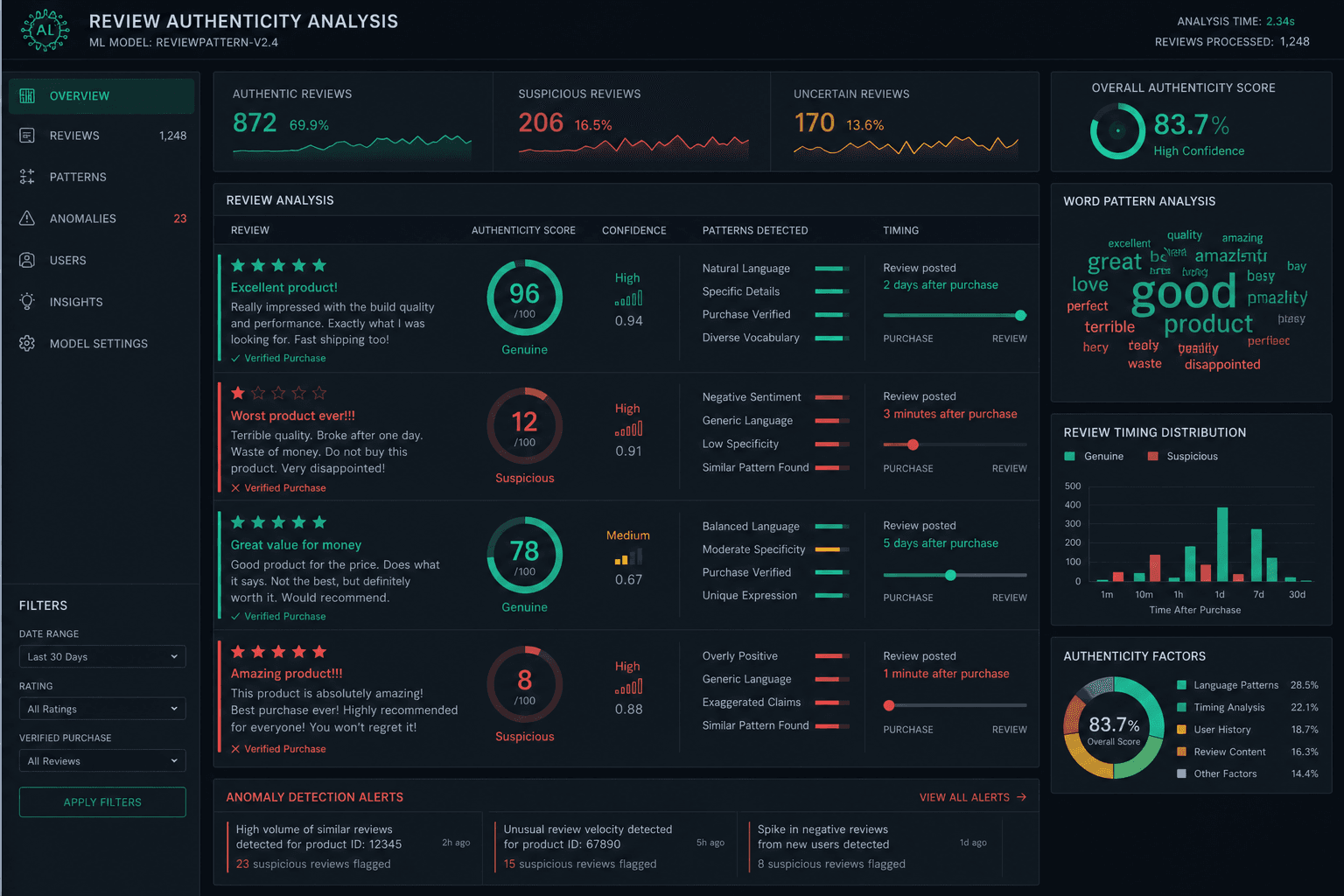
Machine learning models process reviews differently. They analyze the language for authenticity signals — genuine reviews tend to mention specific details, while fake ones use generic praise. They weight recent reviews more heavily, reflecting current performance. They detect suspicious timing patterns that suggest coordinated posting. And they cluster similar reviews to identify templates used across fake accounts.
The result is a composite score that reflects actual customer experience, not gaming skill. A contractor who does great work consistently surfaces above one who bought their rating.
Sentiment beyond stars
AI can also extract meaning from review text. A 4-star review that says 'great work but arrived an hour late' tells you something different from a 4-star review that says 'job was fine but pricier than expected.' Natural language processing identifies these themes, letting you filter for what matters most to you — timeliness, pricing, communication, quality of materials — rather than just an overall score.
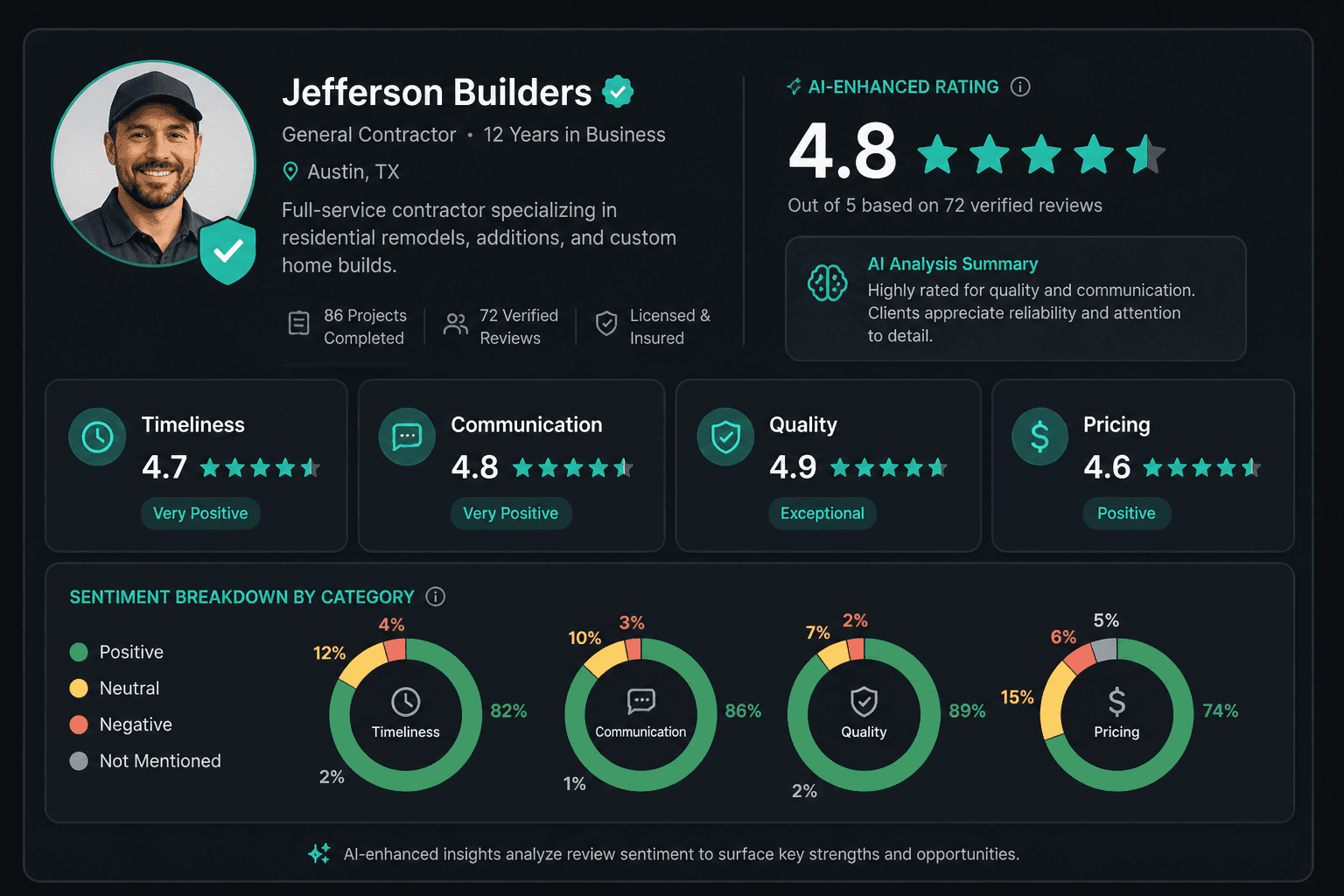
The next time you see a contractor's rating, ask what's behind the number. With machine learning, the answer is more honest than ever.