Vetted Contractors vs Unverified Pros: What Homeowners Must Know
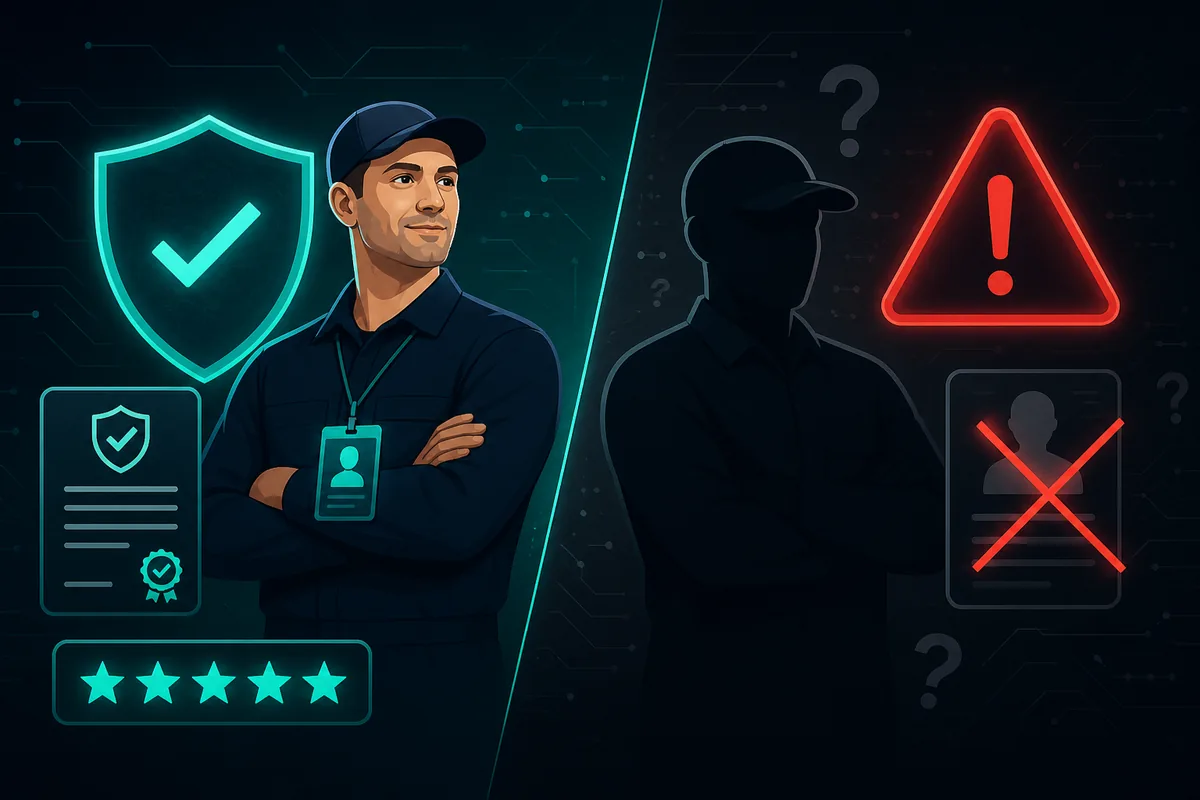
The choice between vetted contractors and unverified pros is one of the most important decisions a homeowner makes — and it's often made under stress. A leak, a broken AC, or a half-finished remodel creates urgency. Unverified operators count on that urgency. Understanding what "vetted" actually means helps you hire faster without gambling on who walks through your door.
What "vetted contractor" should mean
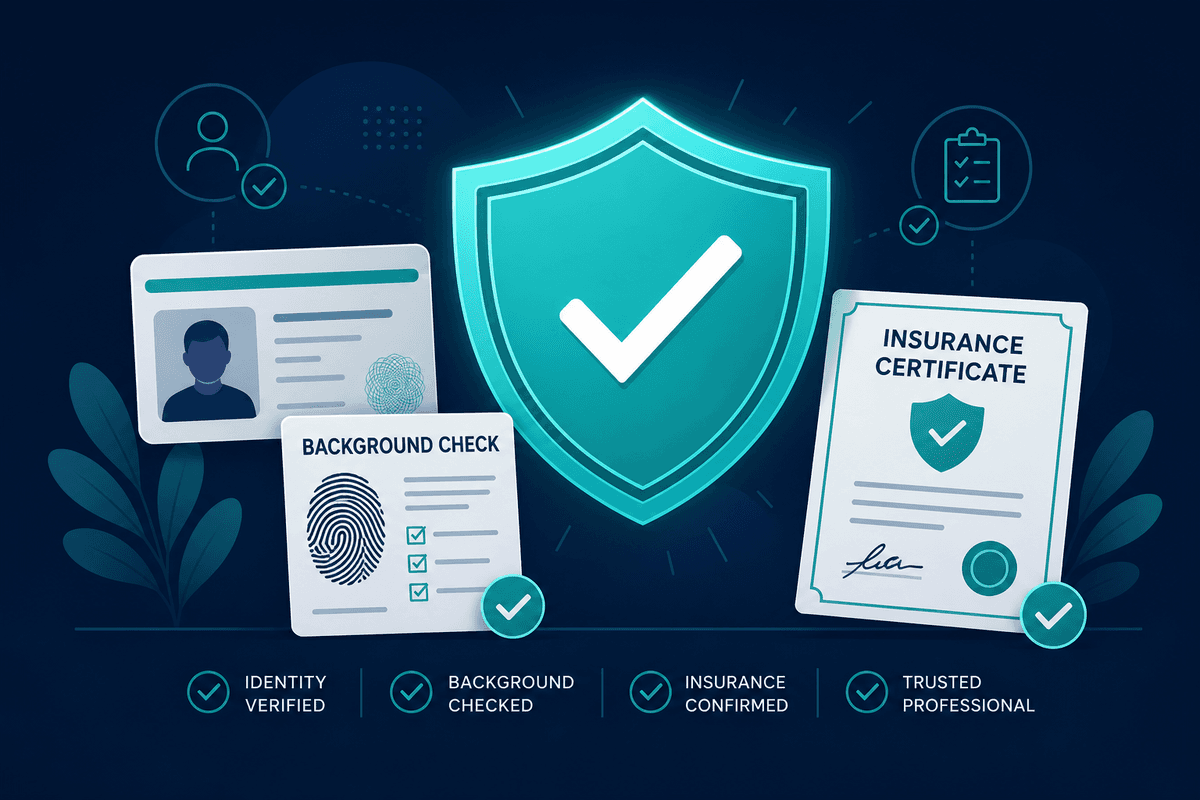
Real vetting is more than a profile photo and a five-star graphic. For homeowners, a vetted contractor typically means identity has been confirmed, a background check has been completed, insurance documentation is on file, and reviews are tied to real completed work — not anonymous internet praise.
- Identity verification: the person showing up matches a checked government ID.
- Background screening: completed before they can accept or request jobs.
- Insurance on file: coverage you can verify, not a vague "fully insured" claim.
- Job-tied reviews: ratings from customers who actually hired and paid.
- Ongoing accountability: a platform or company that can remove bad actors.
What unverified pros usually skip
Unverified pros aren't always scammers — some are skilled neighbors or cash-only helpers. The risk is what you cannot see. Without verification, you may not know their legal name, whether they're insured if something breaks, or whether past customers are real. That uncertainty gets expensive when a job goes wrong.
- No proof of identity beyond a phone number or social profile.
- No documented insurance if damage happens on site.
- Quotes that stay verbal, cash-only, or change after work starts.
- Reviews that can't be traced to completed, paid jobs.
- Pressure to decide immediately — especially in emergencies.
Risk comparison: vetted vs unverified
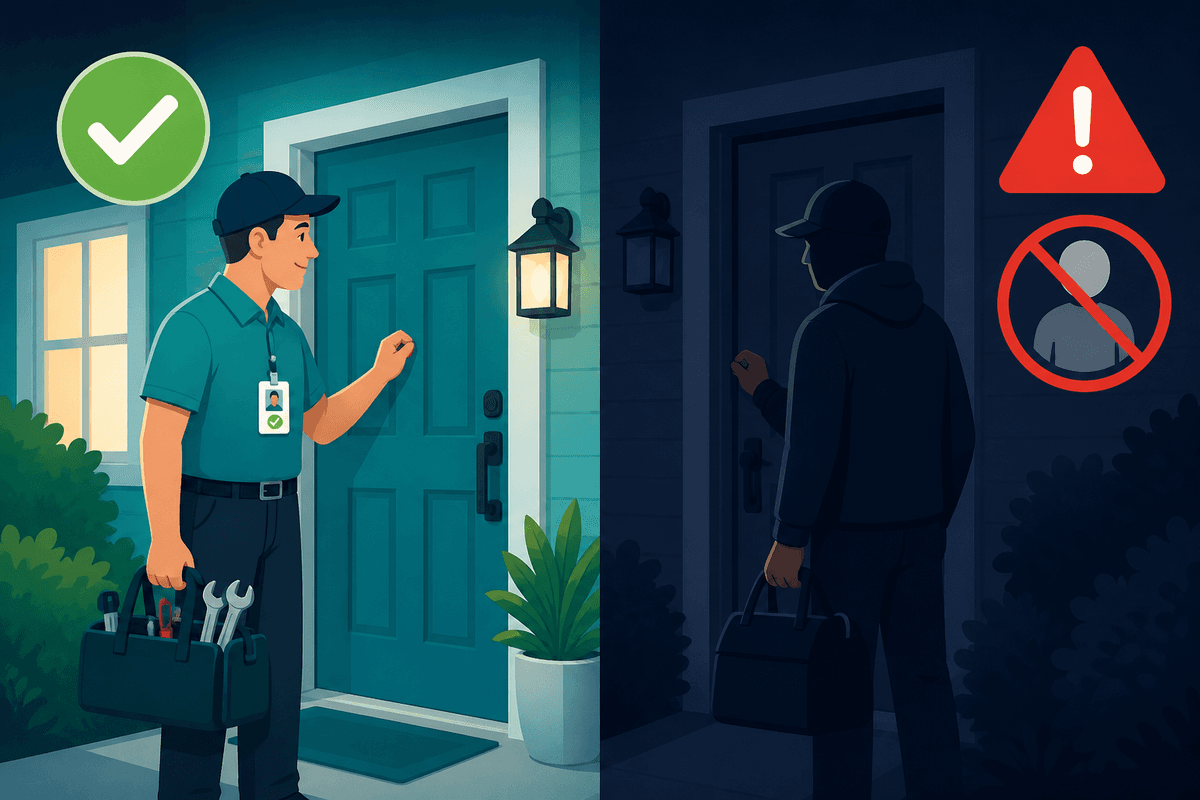
- Safety at home: vetted pros reduce the chance that an unknown person with no screening enters your house.
- Financial protection: verified, in-app or documented payment leaves a trail; cash deposits to strangers often don't.
- Work quality: neither badge guarantees perfection, but job-tied reviews and platform accountability make patterns visible.
- Legal and permit work: licensed specialists matter for electrical, plumbing, gas, and structural jobs — vetting helps confirm you're not hiring someone operating outside the rules.
- Speed vs safety: unverified hires can feel faster today and costlier tomorrow if you redo the work.
How to tell a real vetting process from a badge
Many sites slap "verified" on profiles after an email confirm. Ask sharper questions: Was a government ID checked? Was a background screen required before contact? Is insurance documented? Can only paying customers leave reviews? If the answers are vague, treat the badge as marketing.
On RealPro.one, pros pass identity and background checks and provide proof of insurance before they can send you a request. Reviews come from completed jobs, and payments stay in-app so the hire, the work record, and the invoice stay connected.
When an unverified hire is especially risky
- Jobs inside your home while family or valuables are present.
- Electrical, gas, roofing, or structural work where mistakes cause damage or danger.
- Any request for a large cash deposit before diagnosis or written scope.
- Pros who refuse itemized quotes or won't share license and insurance details.
- "Too good to be true" pricing far below every other bid.
A simple homeowner checklist before you hire
- Confirm identity, insurance, and (when required) license — or use a platform that already did.
- Get a written, itemized quote covering labor and materials.
- Compare more than one request so you know a fair market range.
- Keep chat and payment somewhere documented — ideally in-app.
- Prefer reviews tied to finished jobs over generic star counts.
Vetted contractors vs unverified pros is not about snobbery — it's about risk. Choosing people who have been screened, insured, and reviewed on real work protects your home, your schedule, and your money. When in doubt, slow down, ask for proof, or post the job where verification happens before the first message.
Frequently asked questions
- What does a vetted contractor mean?
- A vetted contractor has confirmed identity, a completed background check, documented insurance, and ideally reviews tied to real completed jobs — not just a self-declared verified badge.
- Are unverified pros always scams?
- No. Some unverified helpers do decent work. The risk is what you cannot see: identity, insurance, and a reliable track record. That uncertainty gets costly when damage or non-payment disputes happen.
- How can homeowners verify a pro quickly?
- Ask for license and insurance proof, get a written itemized quote, compare multiple bids, and prefer platforms that screen pros before contact and keep payment documented in-app.
- Why choose vetted contractors for emergency repairs?
- Emergencies create pressure to hire the first available person. Vetting done in advance — identity, background, insurance — reduces the chance that urgency leads to an unsafe or fraudulent hire.